Press
Stem Cell Exosomes Enable Nerve Regeneration
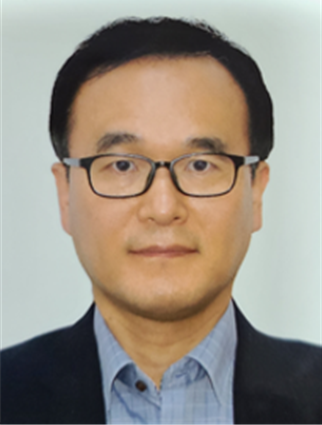
Prof. Ssang-Goo Cho, Department of Stem Cell and Regenerative Biotechnology, Konkuk University
A joint research team from Konkuk University and Seoul National University has developed a novel therapeutic technology that enhances the regeneration of damaged peripheral nerves using exosomes secreted by stem cells. The researchers successfully improved both exosome production efficiency and therapeutic efficacy, presenting a next-generation cell-free regenerative medicine strategy for the treatment of peripheral neuropathy.
The research team led by Prof. Ssang-Goo Cho of the Department of Stem Cell and Regenerative Biotechnology at Konkuk University collaborated with Prof. Mi-Sook Jang’s team at the Seoul National University School of Dentistry to develop a technology that enhances the functionality of mesenchymal stem cell-derived exosomes.
Exosomes are extracellular vesicles approximately 50–200 nanometers in size that are secreted by mesenchymal stem cells. Due to their ability to deliver various bioactive molecules, they have attracted growing attention as promising next-generation regenerative therapeutics.
The research findings were published online on June 25 in the Journal of Nanobiotechnology, an international journal in the field of nanobiotechnology with an Impact Factor of 15. The journal ranks within the top 2.5% (Q1) in the JCR category of Biotechnology & Applied Microbiology. In recognition of the study’s scientific excellence, the paper was also selected for “Korean Scientists Who Shine (Hanbitsa)” by the Biological Research Information Center (BRIC).
Peripheral neuropathy is a neurological disorder caused by damage to peripheral nerves due to trauma, diabetes, chemotherapy, autoimmune diseases, and other conditions. It can lead to chronic pain as well as impaired sensory and motor functions. Although peripheral neuropathy affects approximately 2–8% of the global population, current treatments primarily focus on symptom management using analgesics or anticonvulsants, while therapeutic options capable of fundamentally promoting nerve regeneration remain limited.
To overcome the limitations of conventional exosome production methods, the research team cultured Wharton’s jelly-derived mesenchymal stem cells in a three-dimensional dynamic culture environment designed to mimic vascular shear stress. The cells were then stimulated with the growth factor TGF-β3, using a technique referred to as mechanochemical priming.
Through this approach, the researchers obtained functionally enhanced regenerative extracellular vesicles, referred to as MCR-EVs. Compared with conventional methods, the technology increased production yield by approximately five-fold and purity by approximately three-fold, while maintaining the intrinsic size and morphology of the extracellular vesicles.
Further analysis showed that MCR-EVs were enriched with various microRNAs (miRNAs) associated with nerve regeneration, anti-inflammatory activity, and cellular protection.
In experiments using a demyelinated spinal cord slice culture model and a sciatic nerve chronic constriction injury (CCI) animal model, MCR-EVs more effectively suppressed neuronal cell death and inflammatory responses than conventional exosomes. They also promoted Schwann cell activation, remyelination, and axonal regeneration.
In addition, the treatment reduced injury-induced muscle atrophy and fibrosis while showing positive effects on motor function recovery and pain sensitivity.
Prof. Ssang-Goo Cho said, “This study is significant because it simultaneously enhances the productivity and therapeutic efficacy of stem cell-derived exosomes, further expanding the potential for developing cell-free therapeutics with a lower risk of adverse effects.”
He added, “We hope to advance this technology into a regenerative medicine platform capable of fundamentally treating peripheral neuropathy and ultimately connect the research to clinical translation and commercialization through continued research and support.”
Dr. Yeon-Joo Kwak, Dr. Han-Cheol Yeo, and graduate researcher Hye-Min Jeon of Konkuk University participated as co-first authors, while Prof. Ssang-Goo Cho of Konkuk University and Prof. Mi-Sook Jang of Seoul National University served as corresponding authors.
The study was supported by the Korea Regenerative Medicine Fund (KFRM), the National Research Foundation of Korea (NRF), and the Seoul Regional Innovation System & Education (RISE) initiative.
Researchers from StemExOne, a subsidiary of Konkuk University Holdings, also participated in the study. The newly developed exosome production and therapeutic technologies are expected to be commercialized through StemExOne in the future.
As cell-free therapeutic approaches that do not require direct transplantation of stem cells continue to gain attention as promising alternatives for neurological disorders, competition and innovation in the field of regenerative medicine are expected to accelerate further.
이상원 기자 mediafine@daum.net
-
Previouspress
-
Next