Insights
Antibody Treatment Rejuvenates the Immune System i
Stanford University Researchers Develop Immunotherapy to Eliminate Aged Hematopoietic Stem Cells
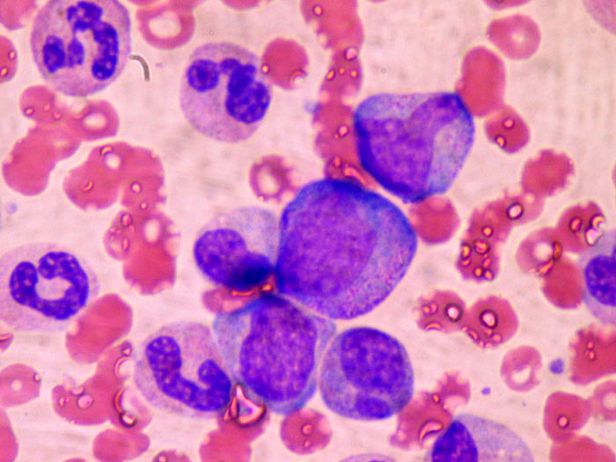
A research team led by Prof. Irving Weissman of Stanford University’s Departments of Pathology and Developmental Biology successfully rejuvenated the immune systems of aged mice by using an antibody-based therapy to eliminate aged hematopoietic stem cells.
The image shows hematopoietic stem cells and white blood cells involved in immune cell production in the bone marrow.
Source: Wikimedia Commons
As the global population continues to age, research aimed at slowing the aging process and promoting rejuvenation is accelerating. Aging research includes efforts to identify the causes and mechanisms of aging, understand the relationship between aging and disease, and develop therapies that can address age-related decline. Among these fields, the anti-aging therapeutics market is projected to grow nearly fourfold, from USD 680 million last year to USD 2.47 billion by 2031.
A research team led by Prof. Irving Weissman of Stanford University’s Departments of Pathology and Developmental Biology announced on the 28th that it had successfully restored the immune systems of aged mice to a more youthful state using an antibody-based therapy. By targeting aged stem cells, the treatment improved blood-cell production and reduced age-related immune decline.
Aging also affects hematopoietic stem cells (HSCs), which generate all types of blood cells, including red blood cells, white blood cells, and platelets. In young individuals, HSCs produce two major classes of white blood cells involved in immune responses—lymphoid and myeloid cells—in a relatively balanced manner. As aging progresses, however, HSCs increasingly favor the production of myeloid cells. Experts believe that this shift toward myeloid cells contributes to immune aging, including increased inflammation.
The researchers therefore developed an immunotherapy designed to eliminate myeloid-biased hematopoietic stem cells. The approach uses antibodies that target specific proteins found on the surface of aged HSCs.
When the treatment was administered to aged mice, the number of lymphoid progenitor cells and other immune cells increased, while markers associated with immune decline, including inflammation, decreased. The treated mice also mounted stronger immune responses against viral infections, indicating that the therapy had successfully rejuvenated their immune systems.
The researchers emphasized that extensive preclinical and clinical studies will be required before the therapy can be used in humans.
Commenting on the study, Dr. Yasar Arfat Kasu, a postdoctoral researcher, and Prof. Robert Signer of the University of California, San Diego School of Medicine, who were not involved in the research, noted that increasing lymphocyte levels in older adults could potentially raise the risk of leukemia arising from lymphoid-lineage cells. However, they added that this risk may be offset by the benefits of stronger immunity, including better protection against infections and a reduced risk of other cancers.
The findings were published in the international journal Nature.
Reference
Nature (2024)
DOI: 10.1038/s41586-024-07238-x